Back School Font: A Quirky Choice for Creative Projects
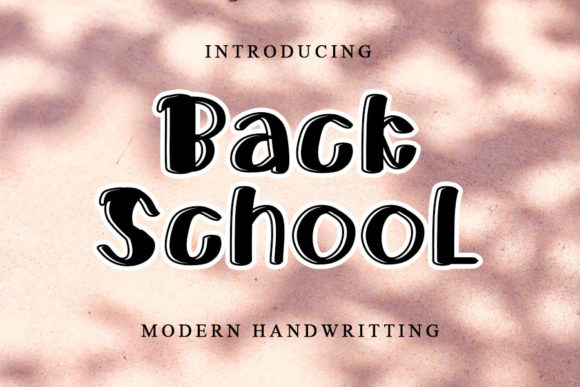
Typography is often treated as a background element, something that simply makes text readable. However, the right typeface can completely transform the emotional tone of a design. Back School is an incredibly quirky and sweet display font that defies standard typographic conventions. It captures a specific aesthetic—one that feels nostalgic, playful, and undeniably human. Whether you are designing for cartoon-related projects, children’s games, or any creation that requires a lovely touch, this font will be an amazing choice for adding personality to your work.
Unlike geometric sans-serifs or rigid serif fonts, Back School embraces irregularity. The letters feel hand-drawn, with slight variations in stroke weight and alignment that mimic the natural imperfections of handwriting. This characteristic makes it stand out in a digital landscape saturated with clean, minimalist designs. For creators looking to inject warmth and charm into their visual communication, understanding how to leverage such distinctive typefaces is essential.
Understanding the Appeal of Back School
To appreciate Back School, one must look beyond its literal readability. Display fonts like this are designed to be noticed. They serve as visual hooks that draw the viewer in before they even read the content. The "sweet" quality mentioned in its description refers to its soft curves and friendly demeanor. It does not shout; it invites. This makes it particularly effective in contexts where approachability and kindness are key values.
The quirkiness comes from its unique character shapes. Some letters might have exaggerated loops, while others feature uneven baselines. These details create a sense of movement and energy. When used correctly, Back School can turn a static headline into a dynamic piece of art. It is not just about conveying information; it is about setting a mood. That mood is typically one of joy, creativity, and lightheartedness.
Why Different Audiences Care About Typography
Different professionals prioritize typography for different reasons. For a graphic designer, a font like Back School is a tool for differentiation. In a market crowded with similar-looking brands, using a distinctive typeface can help establish a unique brand identity. It signals to the audience that the brand is creative, unconventional, and willing to take risks.
For educators and parents, the appeal lies in accessibility and engagement. Children are drawn to visuals that are fun and less intimidating. Using Back School in educational materials, worksheets, or classroom decorations can make learning feel more like play. It reduces the anxiety often associated with formal text and creates a welcoming environment for young learners.
Entrepreneurs and small business owners might see value in the font's ability to convey personality without needing complex imagery. A bakery, a toy store, or a craft workshop can use Back School in logos and signage to instantly communicate their niche. The font acts as a non-verbal cue, telling customers what to expect from the experience before they walk through the door.
Practical Applications Across Industries
The versatility of Back School allows it to be applied in various sectors, each leveraging its unique traits for specific outcomes. Here is how different user groups might integrate this font into their workflows.
- Children’s Game Developers: In game UI design, clarity is important, but so is immersion. Back School can be used for character names, quest titles, or reward notifications. Its playful nature reinforces the fantasy or adventure theme, making the interface feel part of the game world rather than just a menu system.
- Blogger and Content Creators: For those writing about lifestyle, parenting, or creative hobbies, Back School can break up long blocks of text. Used sparingly for pull quotes or section headers, it adds visual interest and keeps the reader engaged. It helps personalize the blog, making it feel like a conversation with a friend rather than a formal article.
- Event Planners and Party Designers: Invitations, banners, and table numbers benefit greatly from the sweet aesthetic of Back School. It sets the tone for celebrations, whether it’s a birthday party, a baby shower, or a casual get-together. The font’s inherent cheerfulness enhances the festive atmosphere.
- Educational Material Designers: Teachers creating custom worksheets or flashcards can use Back School to make dry subjects appear more approachable. For example, a math worksheet titled with Back School feels less daunting than one in a strict serif font. It subtly encourages students to engage with the material.
Evaluating Back School for Your Project
Before committing to Back School, it is important to consider how it aligns with your project goals. Not every design benefits from a display font. Here are some factors to evaluate based on your role and needs.
For Beginners and Hobbyists
If you are new to design, Back School offers a low barrier to entry for creating professional-looking results. Because the font carries so much personality, it does the heavy lifting for you. You do not need complex layout techniques to make a design look good; the font itself provides the visual weight. This allows beginners to focus on other aspects of design, such as color harmony and composition, without worrying about choosing a neutral typeface that might look bland.
However, beginners should be cautious about overuse. Display fonts are best used for short texts, such as headlines or labels. Using Back School for body paragraphs can lead to eye strain and reduce readability. Start by using it for titles and gradually experiment with pairing it with simpler, more neutral fonts for supporting text.
For Experienced Designers and Professionals
Seasoned designers know that the power of a font lies in its contrast. Back School shines when paired with clean, minimal sans-serif fonts. The juxtaposition between the quirky display font and the structured body text creates a balanced hierarchy. This technique guides the reader’s eye effectively, highlighting important information while maintaining overall coherence.
Professionals should also consider the context of use. While Back School is perfect for creative industries, it may not be suitable for corporate communications, legal documents, or medical reports. Understanding the boundaries of where a font fits is a mark of expertise. Use Back School to add a splash of creativity where appropriate, but reserve more traditional fonts for contexts requiring authority and seriousness.
For Business Owners and Marketers
From a branding perspective, Back School can be a valuable asset for businesses targeting families, children, or creative communities. It helps build an emotional connection with the audience. Marketing campaigns that use Back School in social media graphics or email newsletters can stand out in crowded feeds. The font’s uniqueness increases the likelihood of being noticed and remembered.
When evaluating cost and licensing, ensure that you have the proper rights to use Back School for commercial purposes. Many display fonts require specific licenses for web use, print, or merchandise. Understanding these terms protects your business from legal issues and ensures that your investment in the font yields long-term value.
Maximizing Creativity and Long-Term Usefulness
The longevity of a design project often depends on the flexibility of its elements. Back School offers a high degree of creative flexibility. It can be scaled, rotated, and colored in numerous ways to fit different backgrounds and themes. Experimenting with these variations can lead to innovative design solutions that keep your content fresh and engaging.
Moreover, the trend towards personalization in digital content continues to grow. Consumers are increasingly drawn to brands that feel authentic and human. Back School supports this trend by introducing a human touch to digital interfaces. As long as your brand values creativity and approachability, Back School remains a relevant and useful tool in your design arsenal.
In conclusion, Back School is more than just a font; it is a stylistic statement. It brings sweetness and quirkiness to any project, making it an excellent choice for a wide range of applications. By understanding its strengths and limitations, you can harness its potential to create designs that resonate with your audience. Whether you are a beginner exploring the basics of design or a professional refining your brand identity, Back School offers a delightful way to enhance your visual communication.